
What Is Viscose: Understanding Your Fabrics
Fabric comes in all shapes, sizes, weights, and constructions. It can be natural, synthetic, or manufactured. Some fabrics have more of a stigma than others. In this blog post, we will be asking the question; what is viscose? A textile that may be a little misunderstood.
What is viscose and where did it come from?
Perhaps you have heard of viscose, or maybe you know it better as rayon, the commonly-used term for viscose in the United States. But what actually is it?
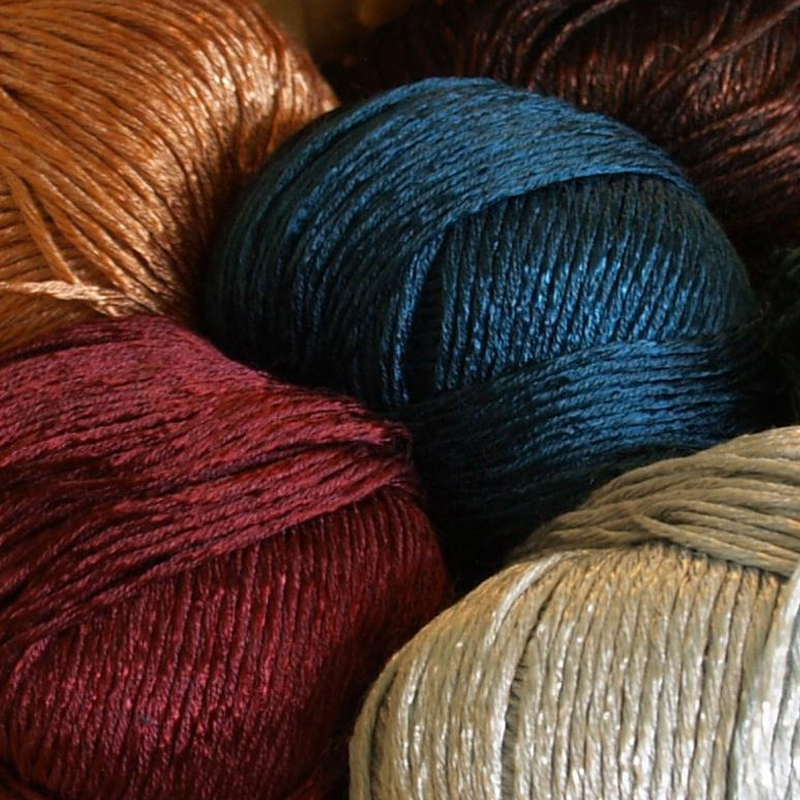
Viscose is a type of rayon. Originally known as artificial silk, in the late 19th century, the term “rayon” came into effect in 1924. The name “viscose” derived from the way this fiber is manufactured; a viscous organic liquid used to make both rayon and cellophane. What does this mean in English? Viscose is the generalized term for a regenerated manufactured fiber, made from cellulose, obtained by the viscose process.
As a manufactured regenerated cellulose fiber, it is neither truly natural (like cotton, wool or silk) nor truly synthetic (like nylon or polyester) – it falls somewhere in between.
Viscose is a low-cost fabric, which is popular thanks to its myriad of qualities. It can be found in cotton end uses, as well as luxurious velvets and taffetas. Viscose can also be found in feminine hygiene products, as well as tire cords.
Chemically, viscose resembles cotton, but it can also take on many different qualities depending on how it is manufactured.
So, what is this fiber of many faces? To really understand what viscose is, we need to understand how it is made and what it is made from.
What is cellulose?
If a fiber is manufactured, then it is made from cellulose or protein. Cellulose is a carbohydrate and the chief component in the walls of plants. There is a difference between synthetic and manufactured fibers, which makes a difference in their sustainability. Viscose is made from wood pulp, making it a cellulosic fiber, like cotton or linen. It is often regarded as only partially manmade.
Manufactured fibers derive from naturally occurring cellulose, or protein, while synthetic fibers do not – they are completely manmade. So, if they come from a natural source, then why don’t they fall under the “natural fiber” category? Because they require extensive processing to get to the finished result. Therefore, the category of manufactured fibers is often referred to as “regenerated cellulose.”
Is viscose a sustainable fabric?
Because viscose is made from renewable plants, it is frequently cited as being environmentally friendly, and sustainable. But is this actually the case?
Viscose is the oldest manufactured fiber, first being produced in 1883 as a cheap alternative to silk. Viscose production generally begins with wood pulp, and there are several chemical and manufacturing techniques to make it.
This is where some controversy comes into play.
To create viscose, and make it stand up to regular wearing and washing, it must be chemically treated. The recycled wood pulp is treated with chemicals such as caustic soda, ammonia, acetone, and sulphuric acid. We, therefore, have a fabric, which comes from a natural and sustainable source, but that is made with chemicals.
Because viscose is made from cellulose, there is an argument to say that it is a more sustainable fiber then other synthetic fibers, such as polyester. Viscose is increasingly being manufactured using the Lyocell process. This uses N-Methlymorpholine N-oxide as the solvent. This method produces little waste products, making it far more eco-friendly.
What are some characteristics of viscose?
Viscose has a myriad of brilliant qualities, which makes it a popular fiber to work with. Thanks to its characteristics, several industries use it, to create a wide range of products. Some of the most beneficial characteristics of viscose include:
Versatile – it blends very well with other fibers
Breathable
Drapes well
Excellent color retention
Highly absorbent
Very smooth
Does not trap body heat
Relatively light
Strong and robust
Soft and comfortable
Inexpensive
No static build-up
These all sound great, but there are some slightly less positive traits to viscose. However, none of these are particularly negative. A little care during wearing and washing will make these traits obsolete.
It can shrink when washed
Can wrinkle easily
Deteriorates with exposure to light
Susceptible to mildew
Fibers can weaken when wet
Viscose: a misunderstood fabric?
When a fabric is not labeled as “natural” then consumers can judge it harshly, without any true understanding of the fabric. Viscose is probably the most misunderstood of all fibers, manmade or natural. It is not a natural fiber, but nor is it synthetic.
In regards to the use of chemicals in the production of viscose, as fabric technology advances, many manufacturers are making considerable and positive efforts to ensure clean production. As we continue to strive for a green-friendly world, increasing work is being put into the sustainability of fibers such as viscose.
Viscose has many desirable qualities, which makes it a wonderful fiber to work with in many ways. Because of its unique versatility, many industries use viscose, from fashion to the medical profession, to everyday items in the home.


